



Introduction: House Music Leaves Chicago
When we talk about house music history, most people immediately think of Chicago in the early 1980s. But by the mid-1980s, House music had already begun its journey across the Atlantic. Starting with small record exports in 1985, it soon took root in European cities with established nightlife cultures.
The international spread of House music transformed it from a local club sound into a global cultural movement. This article explores how Chicago’s underground sound grew into a worldwide phenomenon.
House Music in the UK: From Northern Soul to the Charts
Chicago Imports Find a Home in Britain
Britain was among the first countries to embrace House outside the U.S. Initially, tracks were integrated into DJ sets across the UK. Reception varied, but in the North of England, where traditions like Northern Soul had primed audiences for up-tempo dancing, House quickly gained traction.
Ibiza’s Influence on London and Manchester
By the late 1980s, the influence of Ibiza’s all-night parties became crucial. DJs and clubbers returning from the island recreated the Balearic vibe in London and Manchester, hosting intimate gatherings and later larger club nights. To bypass strict 2–3 a.m. curfews, organizers moved to warehouses and industrial spaces, laying the foundations for the rave movement.
The Rise of Rave Culture in Britain
Acid House and Ecstasy
The first raves blended House with Acid House (driven by the Roland TB-303’s squelchy basslines) and the widespread use of Ecstasy (MDMA). These elements created euphoric nights that defined the late 1980s rave culture.
Mass Gatherings and Community Spirit
What began as small underground events soon grew into massive raves with 17,000 attendees, multiple stages, and advanced light shows. For many young Britons facing unemployment and political frustration, raves became a way to reclaim community and joy.
Backlash and Moral Panic
The association of raves with drug use led to a media-driven moral panic in 1988. Public perception turned against the scene, prompting the government to pass the Entertainments (Increased Penalties) Act (1990). This gave police power to shut down illegal events and seize sound systems – effectively criminalizing a generation of partygoers.
From Repression to Global Expansion
European Scenes Emerge
Far from ending the movement, repression fueled its spread. Inspired by UK rave culture, young people in the Netherlands, Germany, and Belgium organized their own events. Reports of British police raids only made the culture more appealing abroad.
From U.S. Imports to British House Sound
Initially powered by U.S. imports, the UK scene soon developed its own sound. Affordable drum machines and synthesizers enabled bedroom producers to create tracks without formal training. By 1987, House tracks like M/A/R/R/S’ “Pump Up the Volume” were topping UK charts.
This marked a turning point: House music moved from the underground to mainstream pop while giving rise to unique British subgenres such as UK Garage.
Global Subgenres and Cultural Identity
The international spread of House music created countless local variations, often named after their origins:
- Chicago House – the original sound.
- French House, Dutch House, Ibiza House, Rominimal – highlighting national or regional styles.
- Afro-House, Latin House, Tropical House, Tribal House – blending House with cultural rhythms.
- Swedish House Mafia – a commercial act whose name itself points to a national identity.
By the 1990s, House music had grown into a billion-dollar global industry, shaping nightlife and popular culture worldwide.
Conclusion: The Global Legacy of House Music
The house music history of the late 1980s and early 1990s shows how a local Chicago sound became a global force. From Ibiza nights to Manchester warehouses, from rave bans to billion-dollar festivals, House has always thrived on adaptation, resistance, and community.
Today, the international spread of House music continues to influence countless genres and remains one of the most powerful cultural exports of modern times.
Sources
Meyer, Die Techno-Szene: Ein jugendkulturelles Phänomen aus sozialwissenschaftlicher Perspektive
Rietveld, This Is Our House: House Music, Cultural Spaces and Technologies (2003)
Brewster & Broughton, Last Night a DJ Saved My Life (2012)
McLeod, “Genres, Subgenres, Sub-Subgenres and More”
Share!
LATEST POST
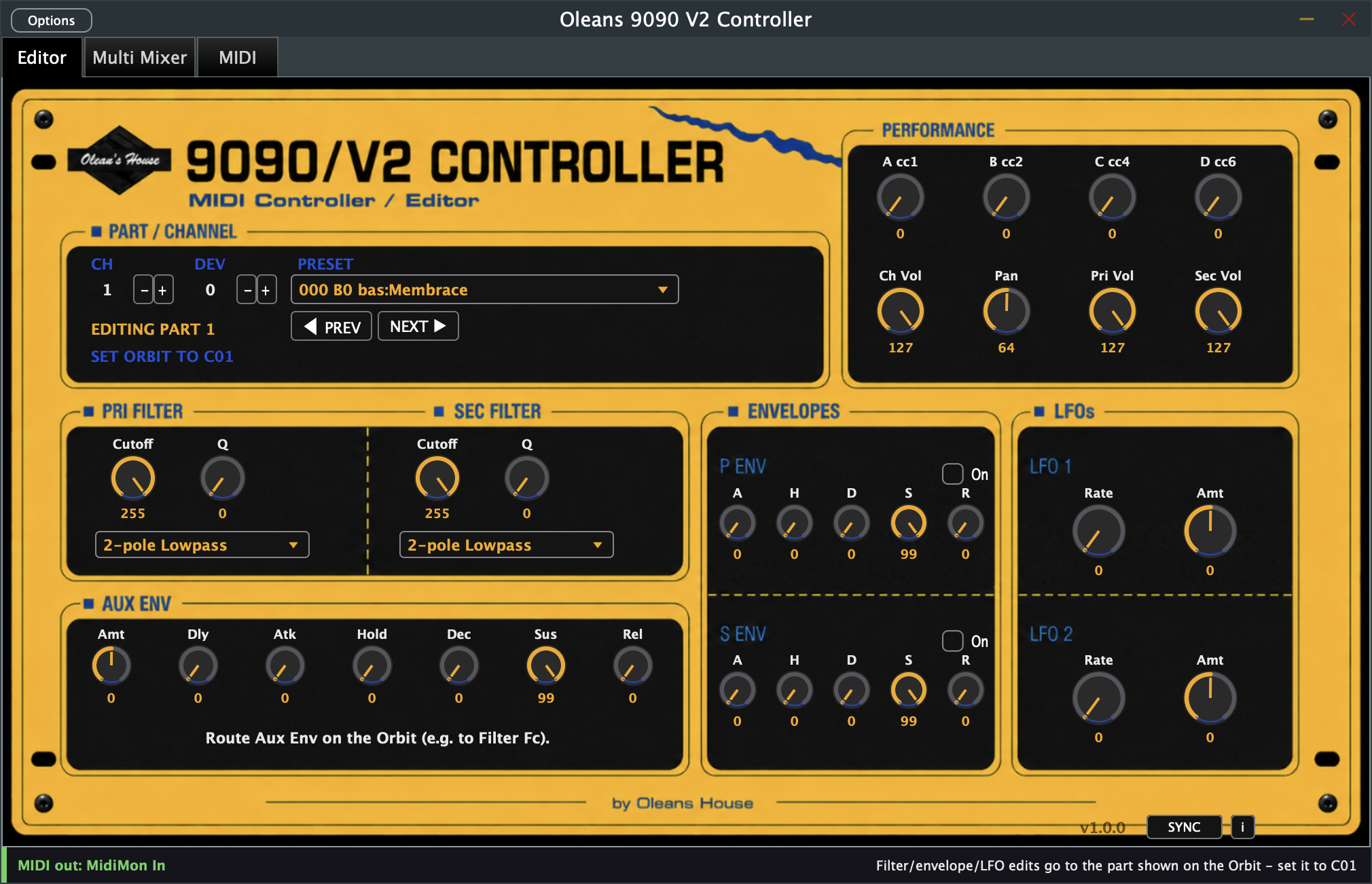
E-MU Orbit 9090 – Best Editor & Librarian
Made for the E-MU Orbit 9090 / V2 Edit all 16 parts without menu diving Get the complete Editor & […]

Olean – Rave Rejoice (Extended Mix)
2026 is the year I want to return to releasing my own music. I’m starting things off with an uplifting […]
The Evolution of Chicago House Music: A Producer’s Deep Guide to the Sound That Changed Dance Music Forever
Chicago House is more than a genre — it is one of the most influential production movements in electronic music. […]
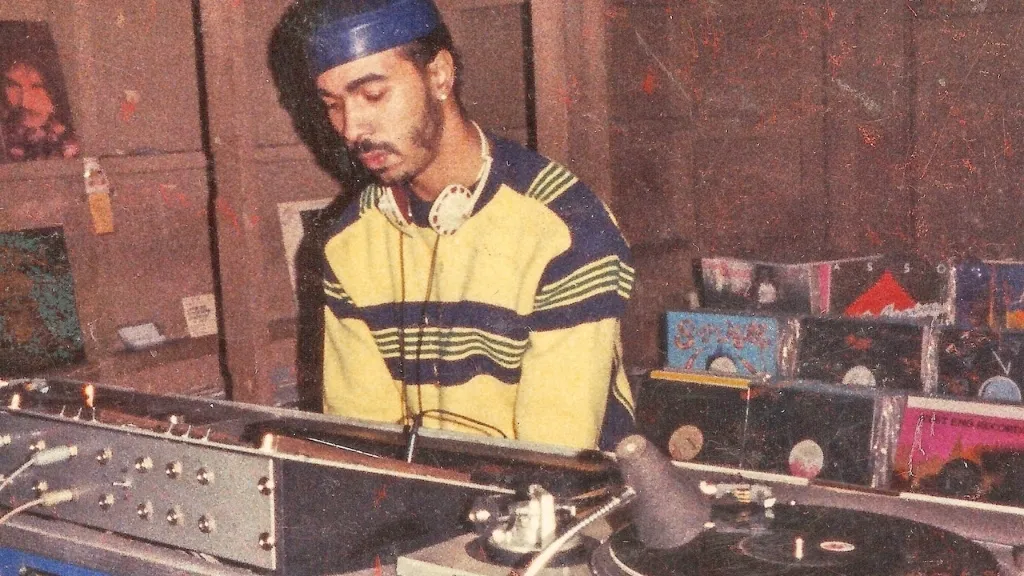
The International Spread of House Music: From Chicago to the World
Introduction: House Music Leaves Chicago When we talk about house music history, most people immediately think of Chicago in the […]