




The origins of electronic music can be traced back to the early 20th century. In 1919, Russian engineer Leon Theremin invented the theremin – often considered the first true electronic instrument. This invention marked the beginning of an entirely new way of creating and experiencing sound.
During the 1920s and 1930s, more electronic instruments were developed and gradually integrated into performances. But it was the invention of the magnetic tape recorder around 1940 that truly revolutionized sound design. For the first time, musicians and producers were able to record sounds and manipulate them by altering speed, direction, and pitch on a tape reel.
This breakthrough gave rise to Musique Concrète in Paris in 1948, a genre pioneered by Pierre Schaeffer and Pierre Henry. They stitched together recordings of industrial noises, natural sounds, and everyday audio fragments to create new forms of composition. Their experimental approach essentially laid the foundation for modern sampling techniques.
In the 1950s, composers like Karlheinz Stockhausen in Germany pushed electronic music even further, working with sounds produced entirely through electronic means. The following decade brought new possibilities with the rise of digital instruments, including electric keyboards and organs. Japanese manufacturers such as Korg and Roland played a crucial role in advancing electronic instrument technology, making it increasingly accessible to musicians.
By the early 1970s, electronic instruments had become a fixture in popular music. While rock dominated the charts, many bands expanded their sound by incorporating synthesizers and other electronic gear. This paved the way for entirely new genres such as Krautrock, New Wave, Synth-Pop, and Disco, which blended electronic instruments with traditional ones in innovative ways.
A particularly groundbreaking force in this movement was Kraftwerk, founded in 1970 by Ralf Hütter and Florian Schneider. Emerging from the German Krautrock scene, Kraftwerk relied heavily on synthesizers, drum machines, and vocoders. But instead of using these instruments in a conventional manner, they employed a programmable, sequenced approach to composition. The result was a new musical language defined by repetitive rhythms, stripped-down melodies, and electronically altered vocals.
This was a radical departure from traditional pop and rock, which emphasized harmony and melody within familiar song structures. Kraftwerk’s music, inspired in part by Musique Concrète, often mirrored everyday experiences through sound effects and minimalism. Their 25-minute track “Autobahn”, for example, evoked the feeling of a car journey with its structure and sonic textures. The single reached No. 9 in the German charts and became a commercial breakthrough.
Kraftwerk’s innovative production style not only redefined pop music but also laid the essential groundwork for the evolution of electronic dance music that would follow in the decades to come.
Sources
Tim Lawrence, Love Saves the Day: A History of American Dance Music Culture, 1970–1979, Duke University Press, 2003.
Carmen Bachiller et al., Study of the Interference Affecting the Performance of the Theremin, International Journal of Antennas and Propagation, 2012.
Paul Doornbusch, Electronic Music – Encyclopaedia Entry, Sage Music in the Social and Behavioral Sciences, 2014.
Andrew Hugill, The Origins of Electronic Music, 2007.
Peter Manning, Electronic and Computer Music, Oxford University Press, 2004.
Share!
LATEST POST

Olean – Rave Rejoice (Extended Mix)
2026 is the Year I want to come back to releasing a lot of my own Music. So here we […]
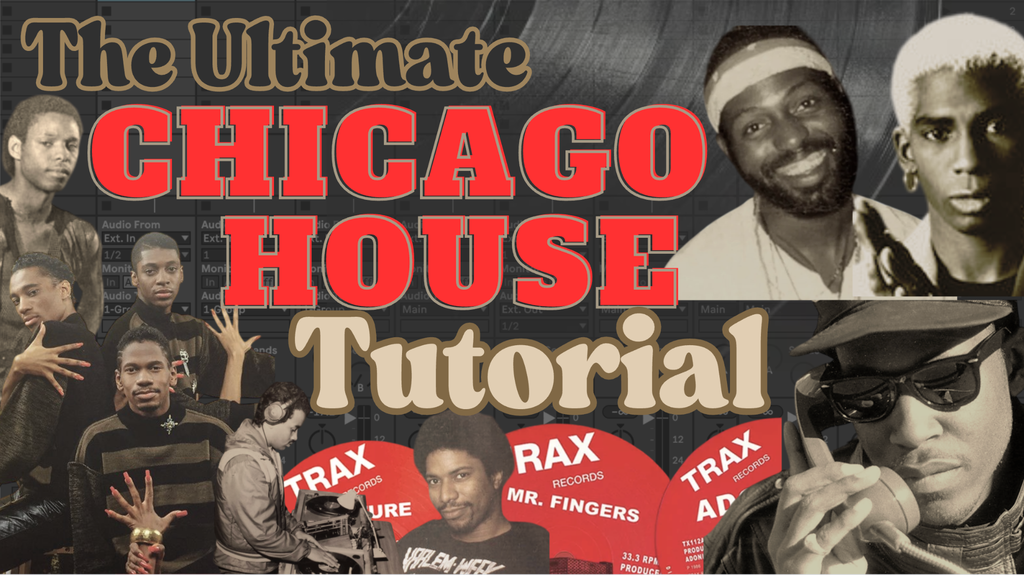
The Evolution of Chicago House Music: A Producer’s Deep Guide to the Sound That Changed Dance Music Forever
Chicago House is more than a genre — it is one of the most influential production movements in electronic music. […]
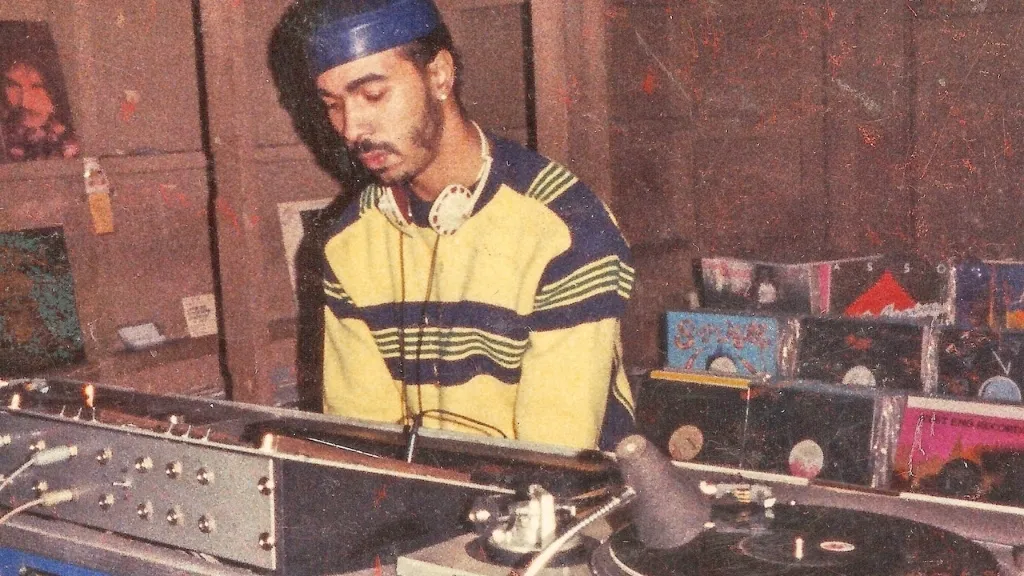
The International Spread of House Music: From Chicago to the World
Introduction: House Music Leaves Chicago When we talk about house music history, most people immediately think of Chicago in the […]
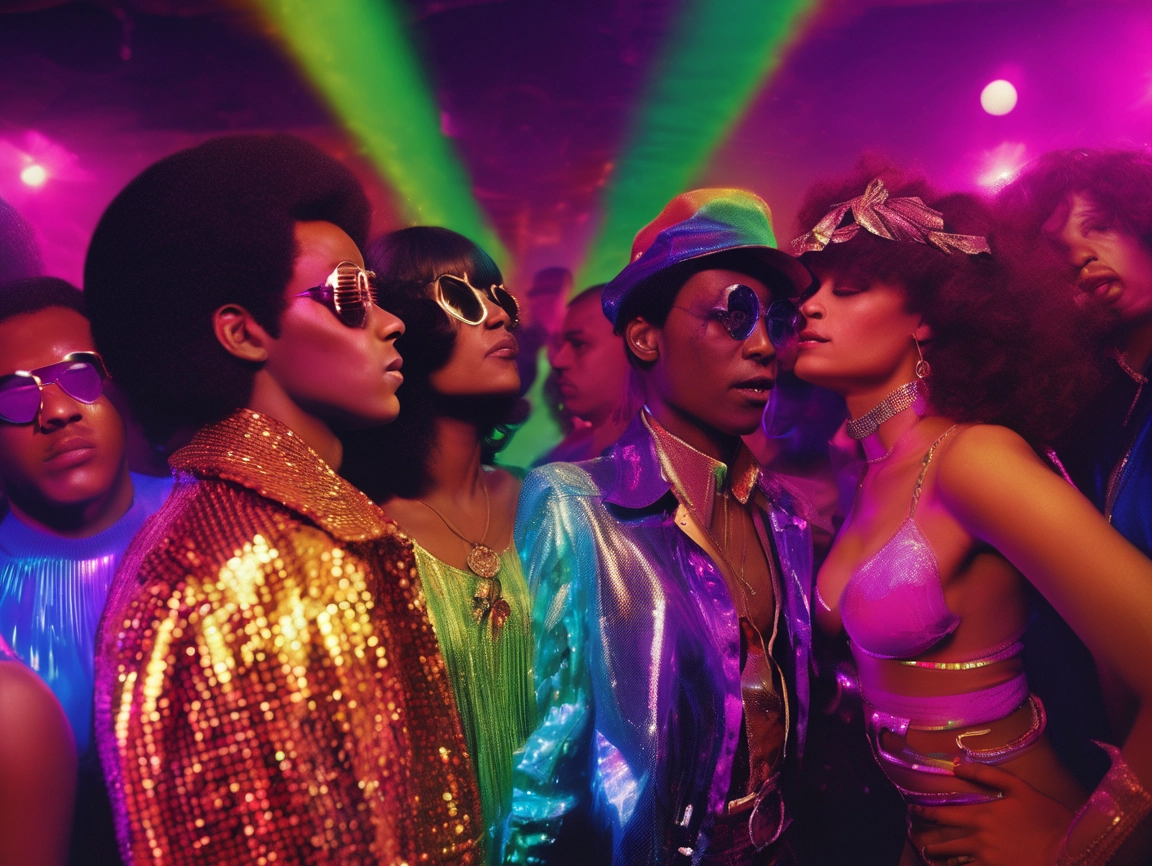
The Rise and Fall of Disco – A Short History
The story of Disco is essential for understanding the evolution of House music and electronic dance music as a whole. […]